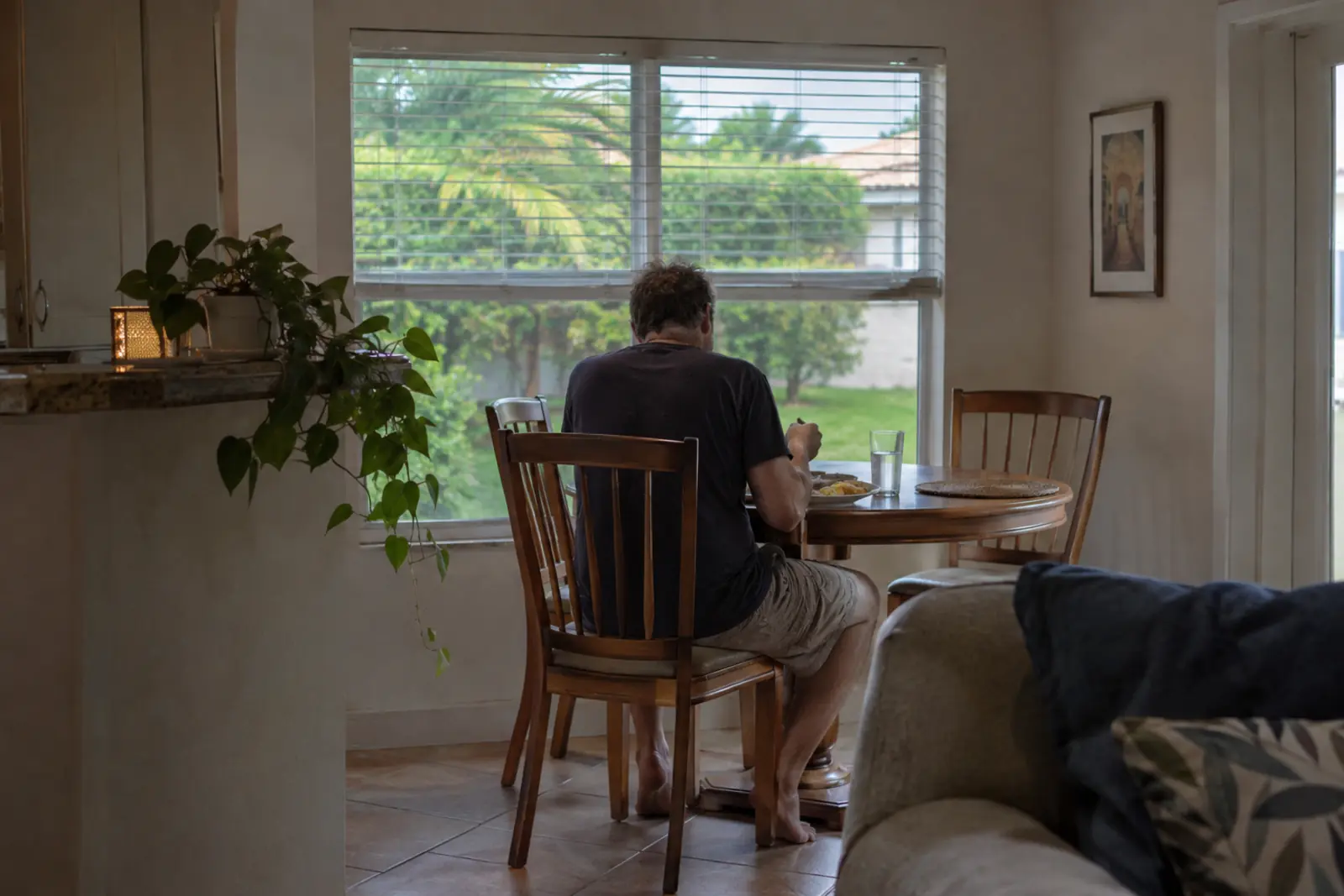
Depression is a medical condition that affects mood, energy, sleep, appetite, concentration and sense of worth, and it is different from a few bad days. Depression treatment in Boca Raton follows the same evidence-based steps used across the United States: an evaluation by a licensed clinician, then psychotherapy, antidepressant medication or both. If those do not bring enough relief, brain stimulation such as TMS is one of the next options. This guide is educational and does not replace an evaluation by a licensed clinician.
Recognizing depression
Clinicians look for a pattern that lasts at least two weeks and includes low mood or loss of interest plus other symptoms such as sleep change, fatigue, difficulty concentrating, feelings of guilt or thoughts of death. According to the National Institute of Mental Health (NIMH), symptoms must be present most of the day, nearly every day, and at least one of them must be depressed mood or loss of interest or pleasure in most activities.
Other signs listed by NIMH include hopelessness, irritability, appetite or weight change, unexplained aches or digestive problems, withdrawal from family and friends, and increased alcohol or drug use. Children and teenagers may seem irritable rather than sad.
Types of depression
Depression can also occur with bipolar disorder, after childbirth or alongside medical illness, and the right treatment depends on which form is present. NIMH describes these main forms:
- Major depression: symptoms for at least two weeks that interfere with daily life
- Persistent depressive disorder: less severe symptoms lasting at least two years
- Seasonal affective disorder: symptoms that usually begin in late fall or early winter and lift in spring
- Depression with psychosis: severe depression with delusions or hallucinations
- Bipolar disorder: depressive episodes alternating with manic or hypomanic episodes, which is covered in the guide to TMS and bipolar depression
- Depression linked to reproductive life stages: during pregnancy or after childbirth (see postpartum depression and TMS) and during perimenopause
Depression and anxiety often occur together. The anxiety guide and the page on anxiety and depression cover that overlap, and the page on dual diagnosis covers depression that occurs alongside substance use.
How depression is diagnosed
A diagnosis usually starts with a primary care doctor, psychologist or psychiatrist. It helps to describe when symptoms started, how long they have lasted, how often they occur and whether they interfere with daily activities. A provider may also use a physical exam and lab tests, because medical causes such as thyroid disorders or viral illness can produce depression-like symptoms.
First-line treatments
- Psychotherapy such as cognitive behavioral therapy (CBT), which targets unhelpful thoughts and behaviors, or interpersonal therapy (IPT), which focuses on relationships, communication and life events.
- Antidepressant medication, often adjusted over several weeks as response and side effects become clear
- Combined treatment, which is common for moderate to severe depression
- Supportive measures such as exercise, regular sleep and staying connected with other people
NIMH notes that antidepressants usually take 4 to 8 weeks to work, and that sleep, appetite and concentration often improve before mood does. Children, teens and young adults under 25 may have more suicidal thoughts when starting an antidepressant or changing the dose, so they should be monitored closely. NIMH also says the FDA has not approved any natural product for depression, and supplements such as St. John's wort can interact with prescription medications, so check with a provider first.
When other options are discussed
If symptoms remain after more than one adequate medication trial, clinicians describe the depression as treatment-resistant and look at next steps. NIMH defines treatment-resistant depression as not improving after at least two antidepressants. Next steps can include changing or combining medications, esketamine, electroconvulsive therapy for severe or urgent cases, and TMS. The guide to treatment-resistant depression explains how TMS is considered at that point, and the TMS and ketamine comparison looks at one frequently asked alternative.
- Esketamine is an FDA-approved nasal spray that can act within hours and is typically used together with an antidepressant pill.
- Electroconvulsive therapy (ECT) is cleared for severe depressive episodes in people 13 and older. It is usually given three times a week for about 6 to 12 treatments and often works within the first week, but follow-up treatment is usually needed. NIMH lists headaches, muscle aches, memory loss and confusion as possible side effects.
- TMS is described in the next section.
About TMS for depression
TMS is a non-invasive procedure with FDA clearance for major depressive disorder in adults who have not benefited enough from antidepressants. Results vary from person to person, and the research describes groups of patients rather than promising an outcome for any one individual. The TMS guide describes what a course involves, and the page on side effects and safety covers screening.
According to NIMH, a magnetic coil held against the head delivers short pulses to a targeted brain area, no anesthesia is needed, and a session lasts about 3 to 40 minutes. A standard course is usually daily weekday sessions for roughly four to six weeks, while accelerated protocols deliver several sessions in one day and often finish within a week. Common side effects are scalp discomfort, scalp or jaw muscle contraction or tingling, mild headache and brief lightheadedness. Seizure is possible but considered low risk. For a fuller explanation, see TMS therapy explained for depression. Costs and coverage are covered in the page on TMS cost and insurance.
Finding depression treatment in Boca Raton
In Boca Raton and the surrounding parts of Palm Beach and Broward counties, depression care comes from the same kinds of professionals found elsewhere: primary care doctors, psychiatrists, psychologists and licensed therapists. A primary care visit is a reasonable first step, and a psychiatrist is the usual route for medication changes and for referral to TMS. NIMH points readers to SAMHSA's findtreatment.gov to locate services near them. If TMS is under consideration, the guide on how to choose a TMS provider lists what to check.
Questions to bring to a psychiatrist
- What type of depression is this, and are other conditions involved?
- Which treatments have the best evidence for my situation?
- Which medications have I tried at an adequate dose and length, and what did that show?
- How will we know whether the plan is working, and when do we change it?
Frequently Asked Questions
What is the first treatment for depression?
Psychotherapy, antidepressant medication or a combination are the usual first steps, and combined treatment is common for moderate to severe depression. CBT and interpersonal therapy are the best-known evidence-based talk therapies. A clinician chooses based on severity, history and preference.
How long do antidepressants take to work?
NIMH says antidepressants usually take 4 to 8 weeks to work. Sleep, appetite and concentration often improve before mood. Do not stop a medication without talking to the prescriber, even if you feel no change yet.
When is depression considered treatment-resistant?
NIMH defines it as not improving after at least two antidepressants. At that point clinicians review the diagnosis, the dose and length of earlier trials, and options such as combination medication, esketamine, ECT or TMS.
Is therapy for depression available by telehealth?
Yes. NIMH notes that psychotherapy can be effective when delivered in person or virtually via telehealth, which can widen the choice of clinicians beyond your own neighborhood. TMS itself is given in a clinical or office setting.
Does TMS work for depression?
TMS is FDA-cleared for adults whose depression has not improved enough with antidepressants, and NIMH describes it as used for moderate to severe depression when medications have proven ineffective or intolerable. Response differs between people, and NIMH notes it does not match the effects of ECT. If benefit fades, see the page on maintenance and retreatment.
If you are in crisis
Thoughts of suicide are a reason to get help right away. Call or text 988, the US Suicide & Crisis Lifeline, or call 911 in an emergency.