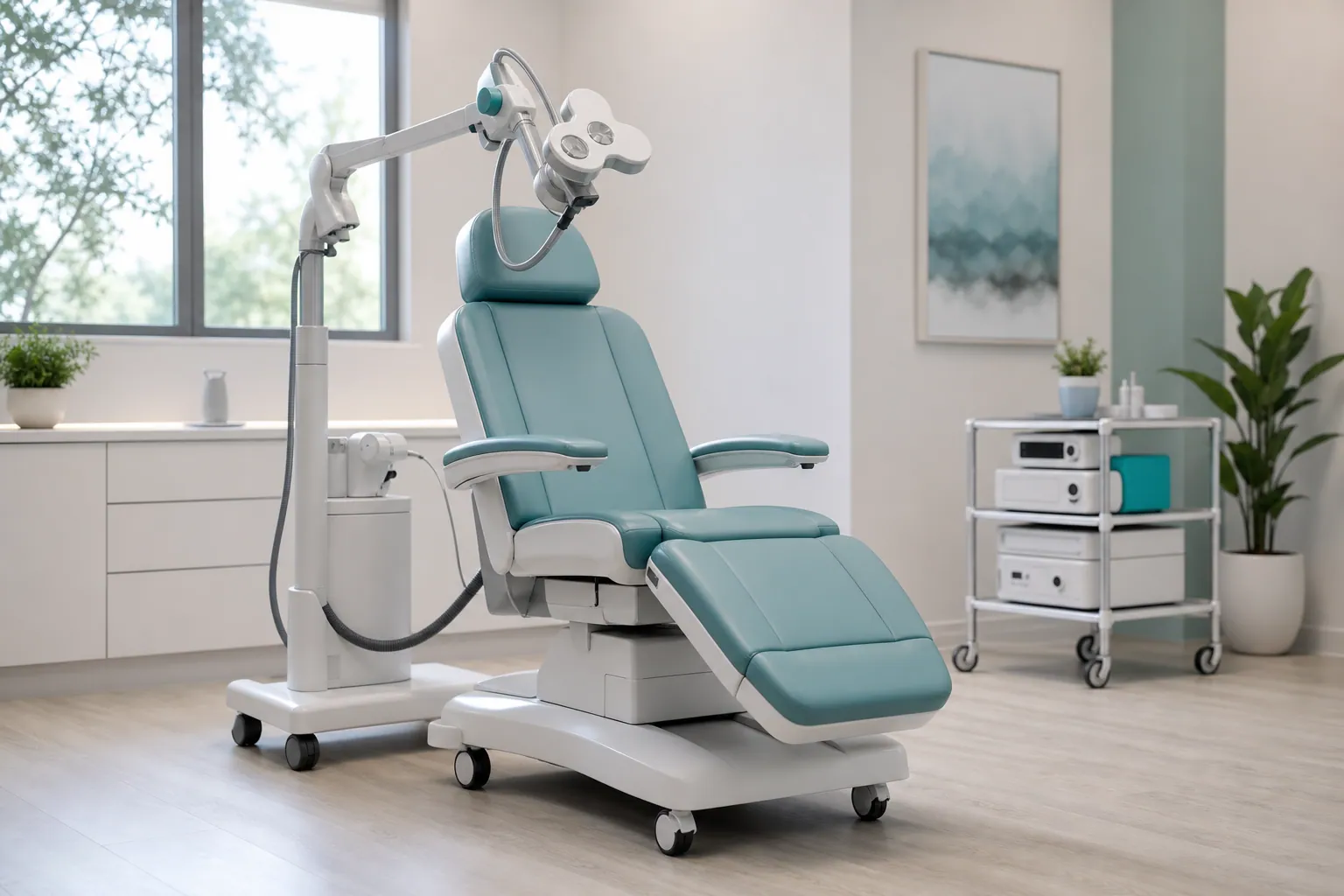
Understand TMS
What the treatment is, how a course is usually structured, and what the evidence does and does not show.
Read the explainer →
Independent guide · Boca Raton, Florida
General, plain-language information on transcranial magnetic stimulation, the conditions it is used for, and how to compare your options.
Start with the basics, then check the practical questions before talking to a provider.
What the treatment is, how a course is usually structured, and what the evidence does and does not show.
Read the explainer →
What insurers commonly ask for, how prior authorization works, and what to verify about fees.
Cost and insurance →
How TMS relates to medication, psychotherapy and ketamine, and which questions help you decide.
TMS and ketamine →One guide for each main topic, with the questions worth asking a licensed clinician.
How anxiety is assessed and treated, and where TMS enters the picture.
Read the guide →First-line treatments, what treatment-resistant means, and how TMS is considered.
Read the guide →How treatment is organized and what is and is not established for brain stimulation.
Read the guide →Why mental health and substance use are best assessed together.
Read the guide →A plain-language explanation of the method, the process and the safety questions.
Read the guide →A map of every condition and topic covered in the guides.
Read the guide →This is an independent, plain-language guide to transcranial magnetic stimulation (TMS) and to the mental health care options people compare in the Boca Raton area. It collects general information on how TMS works, who it is usually considered for, what a treatment course tends to involve, and what to ask before agreeing to anything. It is not a clinic and it does not treat anyone.
TMS uses short magnetic pulses, delivered through a coil held against the scalp, to stimulate a region of the brain involved in mood regulation. There is no anesthesia and no surgery. The FDA has cleared specific TMS devices for major depressive disorder and for a few other uses, such as obsessive-compulsive disorder and smoking cessation, and the clearances are device-specific, so a provider should be able to tell you exactly which device and protocol they use and for which indication.
Nervousness behind the wheel is common among new drivers, and structured instruction helps. Families with a teen getting licensed in New York can start with a live 5 hour class online, the state's required pre-licensing step before the road test.
In most insurance policies and clinical guidelines, TMS is discussed for adults whose depression has not improved enough after one or more antidepressant trials, or who could not tolerate the medication. Whether it fits a particular person is a medical decision. A licensed psychiatrist can review diagnosis, history, other medical conditions and any implants before recommending it.
A typical plan starts with an evaluation, then daily sessions on weekdays for several weeks, with progress checked at set points. Sessions are short, you stay awake, and many people go back to normal activities afterward. Common side effects are scalp discomfort and headache, usually mild and temporary. The TMS therapy guide and the side effects and safety guide go through the details.
Coverage rules differ between plans and change from year to year. Many plans ask for a documented diagnosis, records of earlier medication trials and approval before the first session. The cost and insurance guide explains what to check with your insurer and what to ask about fees. Prices vary by provider, so verify them directly.
If you or someone near you is thinking about suicide or is in emotional crisis, call or text 988, the US Suicide & Crisis Lifeline, or call 911 in an emergency. A website guide is not a substitute for immediate help.
Spot an error or want a topic covered? Send a note. This site does not provide treatment or appointments.
Ask a questionIndependent sites our readers ask about.

5 Hour Class NYC
5 Hour Class Brooklyn

Class E Knowledge Exam